Is this dog named and the policy in force?
If yes
Read the event definition
If no or unknown
Resolve identity or dates before calculating

Follow a dog-specific coverage decision tree from symptoms and timing to eligible invoice items and the final payment.
Use these checkpoints to frame the literal question before reading the full guide.
Dog insurance coverage depends on the dog, the event and the expense. First establish that the dog is insured and the relevant protection has begun; then test the condition and each invoice item against the contract before calculating a benefit.
The sections below show how to verify the answer and what can change it.
Match the dog’s identity to the schedule, not just the owner’s account. Put the first symptom, veterinary advice, enrollment and treatment dates on a short timeline. If those dates are uncertain, stop the coverage conclusion and collect the earlier clinical notes. A newly issued invoice does not demonstrate a newly arising condition.
| Question | If yes | If no or unknown |
|---|---|---|
| Is this dog named and the policy in force? | Read the event definition | Resolve identity or dates before calculating |
| Has the applicable waiting period ended? | Check medical history and exclusions | Do not describe the event as covered |
| Does the event fit an insured category? | Review each billed service | Find the exclusion or missing benefit |
| Is each expense eligible and within any sublimit? | Calculate using the contract order | Remove excluded items or mark unresolved |
| Is payable benefit still available? | Apply the remaining limit | Show the capped payment or exhausted benefit |
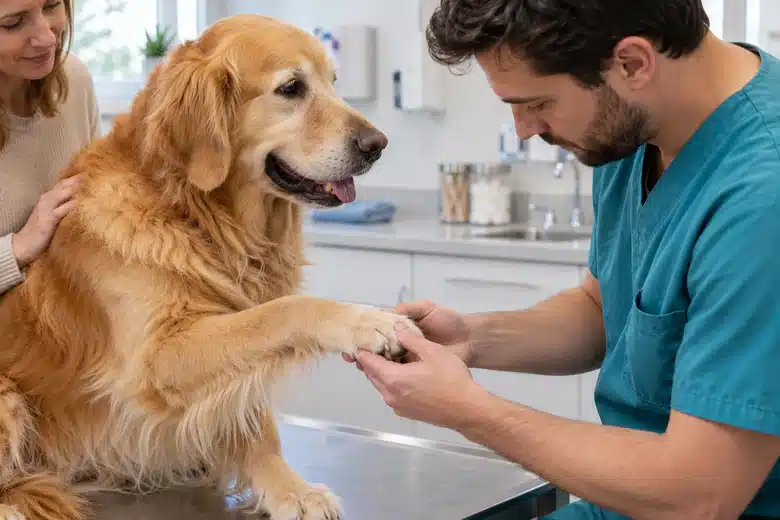
Suppose a dog injures a paw after the relevant protection begins. The owner needs the examination notes, diagnosis and itemized invoice. Even if the injury qualifies, the examination charge, take-home medicine or follow-up therapy may have separate conditions. The Pets Best Alabama specimen demonstrates this separation through selectable supplemental benefits in Section 2; it is not a statement that your dog has those options.
Here is invented arithmetic for a hypothetical eligible injury: a $1,250 bill includes $150 of nonpayable items. Assume the $250 remaining deductible comes first, then 80% reimbursement. The result is ($1,100 − $250) × 80% = $680, provided the available limit is sufficient. The household keeps $570 of the bill. Apply the actual policy’s order rather than copying this formula into every claim.
Keep policy terms, deductible, reimbursement and limits beside the quote so the comparison stays consistent.
Missing records mean the insurance conclusion is unresolved. Veterinary assessment and treatment decisions belong with the treating team; do not postpone urgent care solely to finish an insurance worksheet.
For an accident-only offer, test an illness scenario separately instead of treating a low premium as broad protection. For routine services, locate any separate benefit schedule. NAIC’s categories help organize those questions but do not certify a particular dog’s claim.
Enrollment identifies the insured dog and contract. The claim still depends on event timing, exclusions, eligible expenses and benefit limits.
Read the provider, referral and fee provisions. A specialist’s clinical recommendation does not by itself confirm insurance payment.
Keep the policy terms beside the price, then continue to rates when the comparison is clear.